
Red Spots on Skin: What Your Body’s Largest Organ Is Trying to Tell You
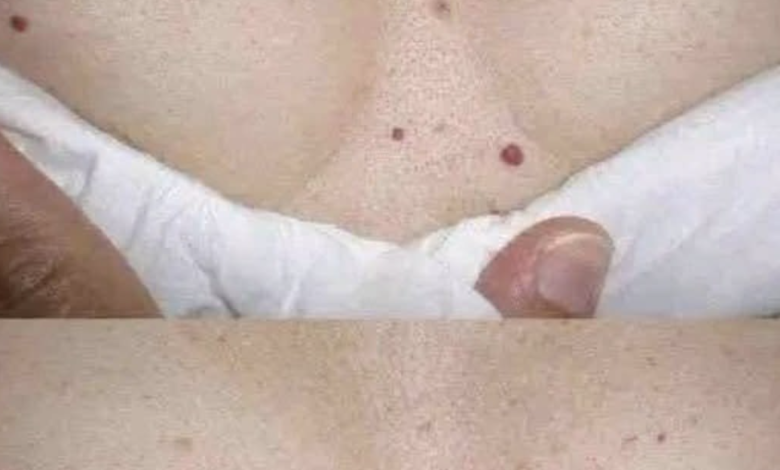
Red Spots on Skin: What Your Body’s Largest Organ Is Trying to Tell You
Have you recently noticed the sudden appearance of red spots on your skin and found yourself wondering if it warrants a visit to a specialist? Rest assured, in the vast majority of cases, these dermatological flares are completely benign. However, there are instances where cutaneous redness serves as an early warning system from your body.
In this comprehensive clinical guide, we will analyze the most frequent causes of red skin spots—ranging from harmless irritations to conditions requiring specialized medical treatment. You will learn how to identify these spots, when to seek an online doctor consultation, and how to choose the right health insurance plans or clinical pathways to protect your dermatological health. Ready to decode your skin’s silent messages? Let’s dive in.
Petechiae: Tiny Red Dots That Do Not Fade Under Pressure
Petechiae are minuscule red, purple, or brown spots that manifest abruptly on the surface of the skin. What makes them unique from a clinical diagnostic standpoint? They are non-blanching—meaning they do not turn white when you apply pressure to them—and they rarely cause itching or physical discomfort.
These tiny spots occur when microscopic blood vessels, known as capillaries, rupture and leak blood into the surrounding subcutaneous tissue.
What Triggers the Appearance of Petechiae?
Several physiological and medical factors can cause these micro-hemorrhages:
-
Physical Strain: Intense physical exertion, such as heavy weightlifting, violent coughing fits, or even childbirth, can spike capillary pressure enough to cause rupture.
-
Pharmacological Side Effects: Certain prescription medications, particularly blood thinners, anticoagulants, or antiplatelet therapies, significantly increase the risk of petechiae.
-
Underlying Pathologies: In rarer scenarios, petechiae point to systemic blood disorders, thrombocytopenia, or severe bacterial infections like meningococcemia (meningitis).
SEO Expert Tip: If petechiae appear suddenly, cover a large surface area, and are accompanied by a fever—especially in children—it is a medical emergency. You should seek immediate clinical evaluation or utilize an urgent care service covered by your primary health insurance.
Red Spots Linked to Allergies, Contact Dermatitis, and Irritants
Allergic reactions and localized immune responses represent the most common triggers for sudden skin redness. These inflammatory cascades can be initiated by food allergens, systemic medications, synthetic cosmetics, or environmental triggers like pollen and pet dander.
Hives (Urticaria) vs. Contact Dermatitis
Urticaria, commonly known as hives, presents as raised, intensely itchy red welts that closely resemble nettle stings. A key diagnostic feature of hives is their transient nature; individual plaques can migrate, disappear, and reappear on different parts of the body within a matter of hours.
Localized skin irritation (contact dermatitis), on the other hand, typically stems from prolonged exposure to harsh chemical agents, such as industrial surfactants, strong fragrances, or household detergents. The affected skin becomes dry, erythematous (red), and may eventually peel.
In most standard cases, removing the offending irritant and applying a high-quality over-the-counter barrier cream or seeking a prescription-strength topical steroid during a telehealth doctor visit will resolve the symptoms.
Infectious Diseases and Viral Exanthems
A wide array of viral and bacterial infections present with characteristic skin rashes (exanthems). Understanding these patterns is essential for timely intervention and preventing community transmission.
Pediatric Viral Infections
In children, classic infectious diseases such as measles, rubella, and chickenpox (varicella) are famous for producing distinct red spots. Similarly, roseola—a common childhood condition caused by human herpesvirus 6—typically manifests as a high fever followed by a sudden outbreak of small, rose-pink spots across the trunk and neck.
Adult Viral and Bacterial Rashes
-
Shingles (Herpes Zoster): This condition occurs due to the reactivation of the dormant varicella-zoster virus. It presents as a highly painful, localized band of fluid-filled red blisters, typically restricted to one side of the body along a specific nerve pathway (dermatome).
-
Lyme Disease (Erythema Migrans): Transmitted via blacklegged tick bites, Lyme disease often starts with an expanding red spot that resembles a target or “bullseye.” If you recall being bitten by a tick and notice this expanding rash, consult a physician immediately to initiate antibiotic therapy. Early intervention is crucial to avoid chronic complications, which can lead to expensive long-term care insurance claims.
Chronic Dermatological Conditions: Eczema and Psoriasis
Eczema and psoriasis are two prevalent, chronic inflammatory skin disorders that cause recurrent red patches. While they may look similar to the untrained eye, their underlying biological mechanisms and targeted treatments are very different.
Eczema is characterized by dry, cracked, and intensely itchy red patches. It frequently flares up in the creases of the skin, such as the inner elbows, behind the knees, and on the face or hands. When scratched, these patches can ooze fluid and become vulnerable to secondary bacterial infections.
Psoriasis
Psoriasis is an autoimmune condition where the skin cell production cycle accelerates dramatically. This buildup of cells results in thick, raised red plaques covered with silvery-white scales (squamae). Psoriasis commonly targets the elbows, knees, lower back, and scalp.
While there is no cure, modern medicine offers highly effective options, including advanced biologics and targeted psoriasis plaque treatment protocols, which can significantly reduce inflammation and clear the skin.
Vascular Redness: Couperose and Rosacea
Sometimes, red spots on the face are not rashes at all, but rather visible signs of vascular dilation.
Couperose
Couperose is a common cosmetic and vascular concern that primarily affects individuals with fair, sensitive skin. It is characterized by the appearance of tiny dilated blood vessels (telangiectasia) that look like fine red threads or diffuse redness across the nose and cheeks. Environmental extremes (cold or heat), spicy foods, caffeine, and alcohol are known to trigger or worsen this vasodilation.
Rosacea
If left unmanaged, couperose can progress into rosacea—a chronic inflammatory skin disease. Rosacea causes persistent facial redness, swelling, acne-like bumps, and, in severe cases, a thickening of the skin on the nose (rhinophyma).
While a permanent cure does not exist, consulting a dermatologist for specialized treatments—such as prescription anti-inflammatory gels or vascular laser therapy—can dramatically reduce visible redness and rebuild skin barrier health.
Clinical Checklist: When Should You Consult a Doctor?
While many red spots resolve on their own or with basic over-the-counter skincare, certain red flags require professional medical evaluation. We highly recommend scheduling an appointment with a primary care physician or a licensed dermatologist if you observe any of the following symptoms:
-
Systemic Symptoms: The red spots are accompanied by a high fever, joint pain, muscle aches, or severe headaches.
-
Rapid Progression: The rash appears suddenly and spreads rapidly across your body within a few hours.
-
Physical Alterations: The spots become painful to the touch, start oozing pus, or form large blisters.
-
New Medication: The outbreak occurs shortly after you begin a new prescription drug or medical treatment.
-
Lack of Improvement: The redness persists for more than two weeks without any signs of healing.
-
Contagion Risk: You suspect you have been exposed to a contagious viral or bacterial illness.
Your skin is a dynamic reflection of your internal health. Maintaining a nutrient-rich diet, staying hydrated, and adhering to a clean skincare routine are vital preventative steps. If you are unsure about a rash, avoid self-diagnosing with unverified internet remedies. A certified healthcare professional can provide an accurate diagnosis and direct you to the safest, most effective treatment plan.