In pictures: 3,000-mile journey to save rare horses
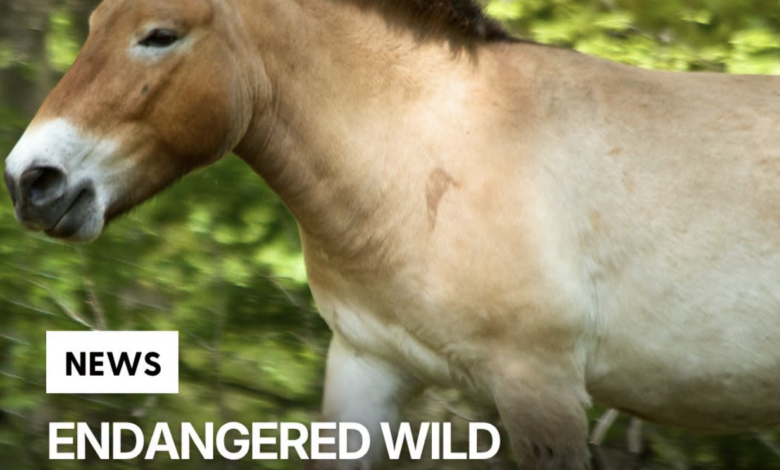
Endangered Species Recovery: The 3,000-Mile Relocation of Przewalski’s Horses to Kazakhstan
In an extraordinary milestone for global biodiversity and conservation biology, two rare Przewalski’s horses have completed a remarkable 3,000-mile (5,000-kilometer) journey across continents. This international rewilding initiative aims to safeguard the genetic future of a species that was once declared completely extinct in the wild.
The two female horses, named Shara and Togs, were born and raised under specialized veterinary care at Marwell Zoo near Winchester, Hampshire. Their transport from the United Kingdom to the remote steppes of Kazakhstan represents a vital step forward in an ambitious, multi-decade species revival program coordinated by leading European zoological institutions.
This high-stakes wildlife relocation highlights the power of international scientific collaboration. It also demonstrates how modern zoological practices, advanced veterinary medicine, and specialized transportation logistics can work together to restore lost species to their native ecosystems.
The Historical Extinction and Ecological Importance of Przewalski’s Horse
Przewalski’s horse (Equus ferus przewalskii) holds a unique place in evolutionary biology as the world’s last remaining true wild horse species. Unlike feral horses, which descended from domesticated ancestors, Przewalski’s horses have never been successfully domesticated and maintain a distinct genetic lineage.
Historically, these resilient equines roamed across the vast, arid grasslands of Central Asia. However, severe habitat destruction, human encroachment, extreme winter climate events, and unmonitored hunting drove the wild population to total collapse. By the late 1960s, the species was officially declared extinct in the wild, leaving its survival entirely dependent on a fragile captive population of roughly twelve breeding individuals held in private collections and zoos.
[Historical Grassland Habitat] ---> Population Collapse (1960s Extinction in Wild)
                                           |
                              (Captive Breeding Programs)
                                           |
[12 Ancestral Founders]       ---> Genetic Recovery & Global Rewilding Initiatives
Through meticulously managed international studbooks and selective breeding strategies, conservationists managed to expand this tiny founder group over several generations. Despite these impressive efforts, the species remains critically vulnerable.
According to the most recent comprehensive assessment by the International Union for Conservation of Nature (IUCN), the mature wild population stood at just 178 individuals in 2014. Maintaining high levels of genetic diversity through carefully planned translocations remains essential to avoiding severe inbreeding depression and ensuring the species’ long-term survival.
High-Stakes Logistics: Managing Transcontinental Wildlife Transportation
Relocating large, wild animals across thousands of miles involves complex logistics, specialized equipment, and comprehensive risk management protocols. Moving Shara and Togs from Hampshire to Kazakhstan required months of precise coordination between veterinary teams, wildlife handlers, government agencies, and air freight charter specialists.
Transcontinental animal transport requires strict temperature control, specialized transit crates, and continuous inflight monitoring by experienced wildlife veterinarians. Securing adequate insurance coverage—including specialized cargo insurance, transit liability policies, and commercial transport insurance—is a standard risk management requirement for international transport projects of this scale.
When transporting high-value animals across international borders, zoological organizations must navigate complex regulatory requirements, international CITES permits, and strict quarantine protocols. Managing these liabilities ensures that the animals arrive at their destination in optimal physical health, minimizing travel-induced stress and supporting a seamless transition into their new habitat.
The Role of Zoological Institutions in Long-Term Conservation
The successful release of Shara and Togs marks a historic milestone for Marwell Zoo, an institution that has maintained a continuous dedication to equine conservation for more than half a century.
Ian Goodwin, animal operations manager at Marwell Zoo, highlighted the deep historical significance of this milestone:
“We are proud to have played our part in bringing these incredibly special horses back to the wild. They were one of the very first species at the zoo when it opened in 1972, so we have been working with them for more than 50 years.”
Marwell Zoo’s fifty-year investment in this species highlights the critical role modern, accredited zoos play in global wildlife preservation. Zoos are no longer merely public education facilities; they serve as essential bio-banks, research centers, and breeding grounds for endangered fauna.
Sustaining these long-term rewilding initiatives requires significant capital, continuous public support, and substantial institutional backing. Funding for international species recovery programs relies on a mix of public donations, research grants, corporate sponsorships, and specialized environmental foundation funding.
Many institutions also utilize dedicated business insurance policies and risk management frameworks to safeguard their conservation assets and research facilities against unforeseen events, ensuring operational continuity across multi-generational breeding programs.
Rewilding Kazakhstan: Ecological Impact and Habitat Restoration
The release of Przewalski’s horses into Kazakhstan is about more than saving a single iconic species; it is a fundamental step in restoring the natural balance of the Central Asian steppe ecosystem.
Large wild herbivores play an essential role in maintaining healthy grassland environments. As natural grazers, Przewalski’s horses help manage vegetation density, prevent the buildup of dry brush that can fuel destructive wildfires, and promote biodiversity by dispersing seeds across vast distances. Their presence supports a wide range of native plants, insects, bird species, and small mammals that thrive in well-managed steppe habitats.
Reintroducing apex grazers to their historical range also provides valuable economic and ecological benefits for local communities. Sustainable ecotourism, research grants, and international scientific partnerships bring fresh capital and job opportunities to remote rural regions.
Local wildlife management programs, supported by environmental consulting firms and international conservation grants, help monitor herd movements, protect release sites against illegal poaching, and foster long-term harmony between wildlife populations and local livestock farmers.
Looking Ahead: The Future of Przewalski’s Horse Preservation
While the successful transport of Shara and Togs represents a major victory for international wildlife conservation, the journey toward complete species recovery is far from over. Establishing self-sustaining, genetically diverse populations across Central Asia requires ongoing monitoring, habitat protection, and regular introductions of new breeding lines from European zoos.
As climate change alters weather patterns and water availability across the Eurasian steppe, adaptive management strategies will be essential to ensure these herds can survive severe winter storms and seasonal droughts. Continued investment in veterinary research, wildlife tracking technology, and habitat preservation will dictate whether Przewalski’s horse can transition from an endangered success story to a thriving, permanent symbol of wild nature.
The story of Shara and Togs is a powerful reminder that dedicated scientific collaboration, proper financial planning, and sustained conservation efforts can reverse species decline—giving endangered animals a second chance to roam free in their native landscapes.