
Why Do Dogs Sniff Private Parts? The Canine Olfactory Science Explained
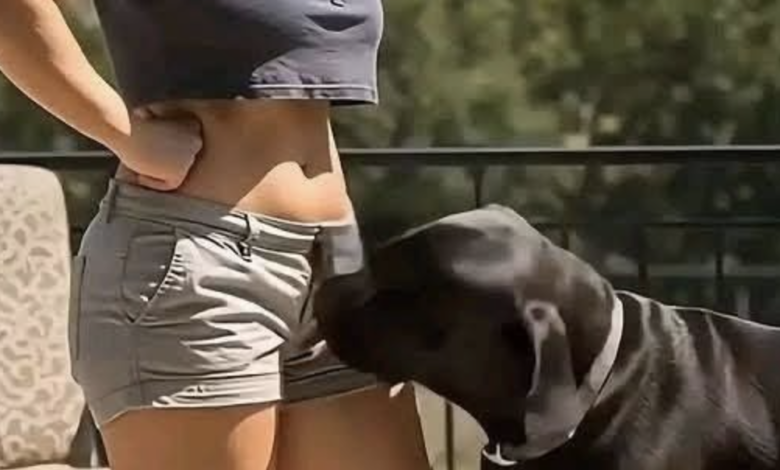
It usually happens in a matter of seconds. You meet a dog for the first time, it approaches calmly, wags its tail, and then immediately directs its nose straight toward a particularly private area of your body. This unexpected moment can be embarrassing, elicit nervous laughter, or cause significant social discomfort, especially when it occurs in a crowded room or public space.
However, behind this behavior that so often startles humans lies neither rudeness, poor training, nor aggression. Animal behaviorists and veterinary experts agree: sniffing private areas is a completely natural, biologically driven impulse for dogs.
To fully comprehend this reaction, we must step away from our human perspective and temporarily adopt the sensory worldview of our four-legged companions. Where human beings rely primarily on vision, spoken language, and facial expressions to communicate, a dog relies above all on an extraordinarily developed sense of smell.
Understanding these instinctual habits is a vital part of responsible pet ownership. For those managing overall domestic care, exploring pet health insurance options can ensure that your companion receives complete preventative care and professional behavior support throughout their life.
The Incredible Anatomy of the Canine Olfactory System
Millions of Receptors and Superior Brain Processing
The domestic dog possesses one of the most sophisticated scent-detection systems in the entire animal kingdom. While the average human nose contains roughly 5 to 6 million olfactory receptors, certain dog breeds boast more than 300 million. This monumental physiological difference allows dogs to detect subtle volatile organic compounds that humans are completely incapable of perceiving.
Furthermore, the canine brain allocates a vastly larger percentage of its neural tissue to analyzing olfactory data compared to the human brain. When a dog meets you, it does not evaluate you primarily through visual observation; it reads your chemical profile. Every distinct scent serves as a detailed biological dossier.
Biological Triggers: Why Human Intimate Areas Attract Dogs
The explanation for this behavior is anchored in human and canine biology. Specific regions of the human body, particularly the armpits and the groin area, feature a dense concentration of apocrine sweat glands.
Apocrine Sweat Glands and Pheromone Production
Unlike eccrine glands, which produce watery sweat to regulate body temperature, apocrine glands secrete a thicker fluid rich in lipids, proteins, and chemical signaling molecules known as pheromones. While these biochemical signals are virtually undetectable to human senses, they represent a rich source of information for a dog’s refined nose.
Within just a few seconds of scenting these apocrine secretions, a dog’s olfactory system gathers a comprehensive profile. Through this brief interaction, a dog can evaluate:
-
Your unique individual biological identity
-
Your biological sex and approximate age
-
Recent hormonal fluctuations or cycles
-
Current physiological stress levels
-
Your real-time emotional state
-
Underlying metabolic shifts or physical changes
To a dog, this brief investigation is simply a standard introduction. It serves as the canine equivalent of a polite handshake, conducted entirely through their native sensory language.
Olfactory Communication and Emotional Detection
Reading Human Emotions Through Chemical Shifts
In nature, wild and domestic canids spend an immense amount of time analyzing scent markers left by other animals. They examine trees, grass, urine markings, and the physical bodies of their peers. This instinctive habit allows them to assess social dynamics and gather environmental data without triggering physical conflict. When interacting with humans, dogs apply this exact same biological framework, naturally gravitating toward the areas where chemical information is most concentrated.
Scientific research demonstrates that dogs can effortlessly pick up on human emotional shifts. Feelings such as acute stress, fear, anxiety, or excitement trigger subtle chemical changes in human perspiration. Even when you consciously attempt to hide your emotions, these subtle biochemical shifts remain completely transparent to a dog’s nose. This explains why dogs often offer spontaneous comfort during challenging times—they are responding directly to the chemical signals released by your body.
For pet owners navigating complex health situations themselves, seeking an online doctor consultation can provide quick clarity on personal health concerns, while ensuring your domestic environment remains stress-free for your pets.
Advanced Medical Detection Capabilities
The canine olfactory system is so remarkably precise that specially trained working dogs participate in advanced medical diagnostic protocols. Clinical research shows that dogs can be trained to detect:
-
Specific cellular markers associated with various cancers
-
Imminent epileptic seizures before clinical onset
-
Dangerous blood sugar fluctuations in diabetic individuals
-
Underlying bacterial or viral infections
-
Hormonal shifts associated with early pregnancy
While your family pet may not have formal medical detection training, their underlying biological machinery operates on the same extraordinary level.
Is Intimate Sniffing a Sign of Poor Training or Bad Behavior?
It is important to emphasize that when a dog sniffs a person’s private parts, it does not mean the animal is poorly trained or misbehaved. In the vast majority of cases, the dog is merely executing a normal, healthy communication protocol hardwired into its genetics.
However, if this instinctual habit causes persistent discomfort for houseguests or family members, you can easily guide your dog toward more socially appropriate greeting behaviors without resorting to negative reinforcement.
Positive Reinforcement Strategies to Redirect Sniffing
Professional dog trainers recommend redirecting the behavior using positive reinforcement techniques. The objective is not to punish the animal for following its natural instincts, but rather to offer an alternative, highly rewarding behavior. Effective strategies include:
-
Teaching a reliable “sit” or “place” command when visitors enter the home
-
Immediately rewarding compliance with high-value treats or verbal praise
-
Diverting the dog’s focus using an interactive toy or puzzle feeder
-
Consistently reinforcing calm, structured greeting habits
Dog behavior specialists strongly advise against shouting, physical discipline, or harsh verbal scolding. Punishing a dog for an instinctive communication habit creates confusion and anxiety, which can damage the bond of trust between you and your pet.
Why Some Dogs Sniff More Than Others
Not every dog displays the same level of olfactory curiosity. Several distinct factors influence how intensely a dog interacts with human scent markers:
-
Breed Genetics: Scent hounds, working dogs, and hunting breeds naturally rely on their noses far more than breeds selected for visual or lap-dog traits.
-
Age and Energy Levels: Young puppies and adolescent dogs are inherently more inquisitive and driven to explore their environment.
-
Socialization History: Dogs with extensive exposure to diverse human environments tend to be more relaxed and less urgent in their investigatory behavior.
-
Individual Temperament: Personality plays a significant role, with naturally bold or social dogs seeking out direct contact more readily than reserved animals.
When to Consult a Veterinary Professional or Canine Behaviorist
In almost all scenarios, occasional scent-seeking behavior is completely benign. However, if a dog suddenly exhibits an obsessive fixation on a specific individual, displays sudden intense sniffing habits, or exhibits uncharacteristic behavioral shifts, seeking professional guidance is recommended.
A comprehensive checkup with a licensed veterinarian can rule out underlying medical issues or hormonal imbalances in either the animal or the household. If behavioral factors are at play, a certified canine behaviorist can design a customized modification plan tailored to your pet’s needs. Maintaining adequate pet health insurance can help offset the costs of specialized behavioral consultations, diagnostics, and routine veterinary care services.
Additionally, ensuring your personal health coverage is up to date by reviewing current health insurance quotes offers peace of mind, knowing that every member of your household has access to comprehensive medical support whenever needed.
Conclusion: Embracing Instinct with Proper Guidance
The next time a dog approaches you or a guest to sniff a private area, remember that the animal is not acting out of disrespect or poor manners. It is simply using the primary sensory tool it has relied upon for thousands of years.
Through its extraordinary sense of smell, the dog is reading a wealth of biological information regarding your identity, emotional state, and subtle chemical profile. What humans perceive as a social misstep is, in reality, a sophisticated form of natural communication deeply rooted in canine biology.
By implementing patient, positive training methods and establishing clear greeting routines, you can gently manage this habit whenever it becomes inconvenient—allowing you to respect your dog’s fascinating natural instincts while keeping every social interaction comfortable and enjoyable.